Proxies have long outgrown the category of "gadgets for hardcore IT folks." Today, they are actively used by marketers, online store owners, analysts, media buyers, and generally anyone who needs to properly manage their internet access. If you are just starting to figure out this topic, you can check out what solutions are currently available, for example, at https://stableproxy.com/en. But before you spend your money, let's break down where proxies are truly lifesaving and where they will only complicate your life.
How This Thing Works (In Simple Terms)
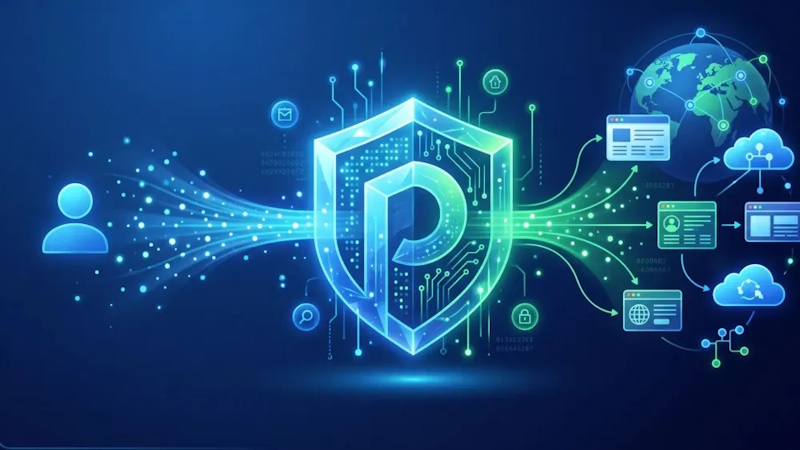
To put it simply, a proxy is just an intermediary between your computer and the website you are visiting. Instead of knocking on the website directly, your request first goes to an intermediate server, and the website thinks that you are that server. Accordingly, it sees the IP address of the server, not your real one.
However, you should not think of a proxy as some kind of magic pill for complete anonymity. Everything depends on how it is configured and which service you choose. A proxy will not replace your antivirus, protect you from heavy tracking, or make downloading files from sketchy websites safe.
In practice, they are used for specific work tasks: spinning network requests, viewing content from other countries, collecting data from open sources, and properly distributing traffic.
5 Main Situations When You Cannot Do Without a Proxy
1. Data Scraping and Competitor Intelligence
For marketers and analysts, this is the main working tool. Imagine: you need to constantly monitor prices in 50 different online stores, look at their product ranges, and track what discounts they show in different cities.
If you frantically make hundreds of requests from your single IP, the website will quickly figure you out and ban you. Proxies allow you to distribute these requests across a bunch of different addresses (as long as this does not violate the rules of the platform itself).
Where this comes in handy:
- Tracking prices and product availability on shelves.
- Studying what competitors are up to.
- Gathering open data for marketing reports.
- Checking how correctly your data collection scripts are running.
A small nuance: if you simply change your IP every second, the website will still catch you. Protection algorithms look not only at the address, but also at a bunch of other factors. So you need to approach the process wisely and not forget about the legality of data collection.
2. Checking Advertising and Search Results in Google/Yandex
Online advertising is a tricky thing. It looks different depending on where the user is located, what device they are using, and whether they have visited the site before. It is important for a marketer to see the real picture rather than guess by reading coffee grounds.
Proxies with IPs from the required region allow you to look at a website or ad through the eyes of a local resident. This is a must-have for those who sell to multiple countries.
Example: A store owner can check whether the German version of the site opens properly for users from Berlin, and an advertiser can look at how ads are running on target pages in different states.
But remember: an IP alone will not make you 100% "local." Website algorithms also look at the system language, cookies, time zone, and a bunch of browser parameters.
3. Accessing Content with Geo-Restrictions
Some services, streaming platforms, or websites open their doors only to residents of certain countries. A proxy helps connect through a server in the required region and check if the resource works.
This is necessary not just for watching a video. Developers test local versions of their services this way, and companies check how their products look abroad.
But keep in mind: major platforms have learned to cleverly ban well-known proxies. If the service digs in its heels, it simply won't let you in. So it's best to read the terms of service of the resources in advance.
4. Privacy and Control Within a Company
A proxy helps hide your real IP from the websites you visit. This is useful if you work with public Wi-Fi networks or simply do not want to leave extra traces.
Also, system administrators in companies really love proxies. Through them, you can:
- Filter incoming and outgoing traffic.
- Block employees' access to social networks or entertainment websites during working hours.
- Maintain logs and see who goes where.
Important: hiding your IP is not yet complete protection. If you take a free proxy "from the internet," you can run into a bunch of trouble: the server owner can easily read your unencrypted traffic and steal data. For anything important, always use HTTPS and trusted providers.
5. Website Testing and Automation
For developers, a proxy is a regular working tool. They use them to check how an application behaves when accessed from different networks and countries, look for bugs, and test language versions.
The second common use case is automating routine tasks. For example, when a bot needs to check once an hour whether a product price has changed or whether a necessary page is working.
The main understanding: a proxy here is just a pipe for traffic, not a magic wand. To make everything work without glitches, you will have to properly configure error handling, timeouts, and request frequency.